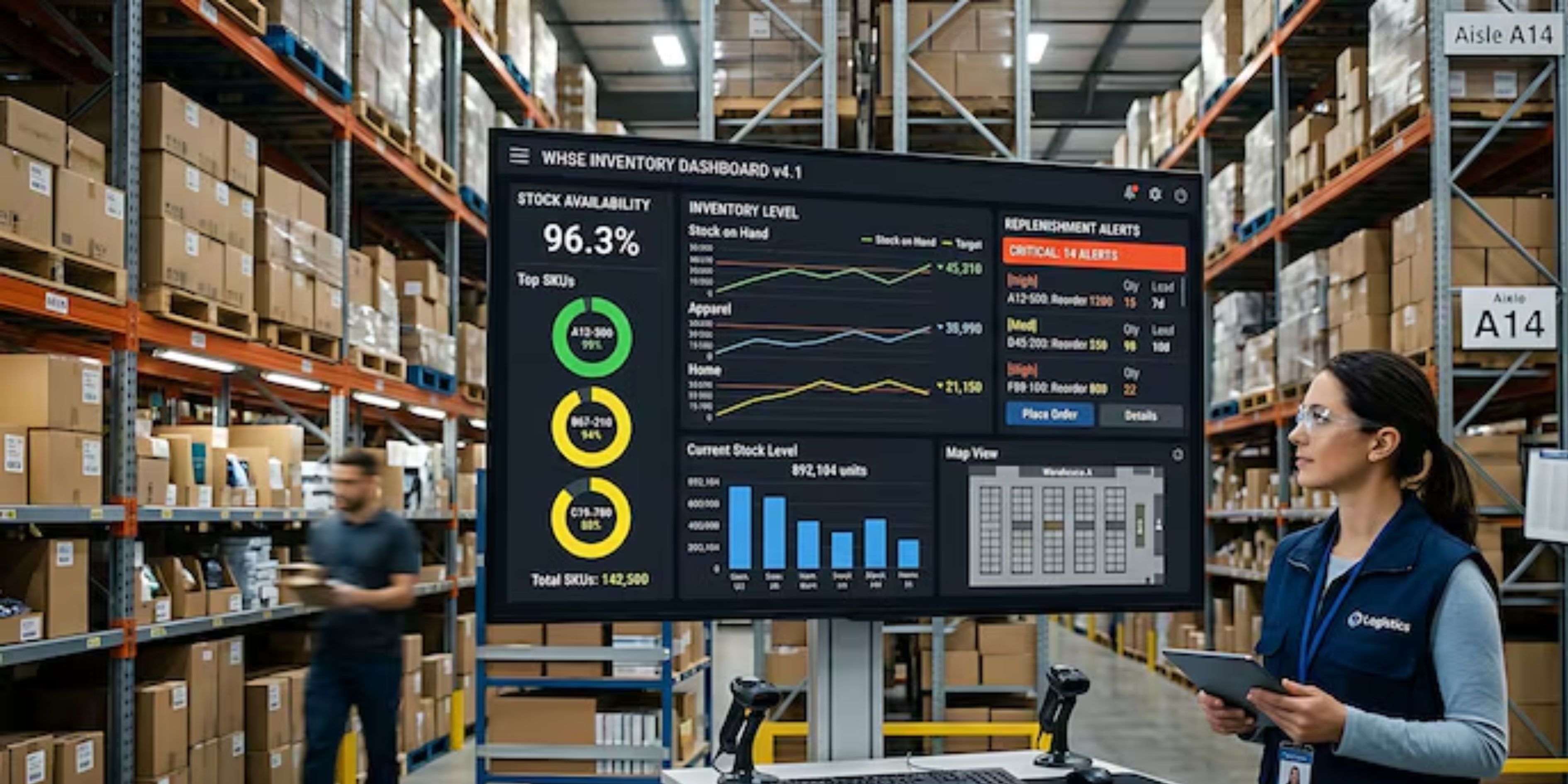
Master Data Management in Logistics: Why Clean Data Is Critical for Accuracy and Growth

29th October 2026
Every logistics business runs on data: customer records, carrier profiles, shipment details, and pricing tables. However, very few companies treat this data as a strategic asset. Master Data Management (MDM), the process of keeping core business data accurate, consistent, and controlled, plays a critical role in ensuring smooth operations and reliable reporting.
When master data is not managed properly, it leads to billing errors, reporting issues, and operational inefficiencies that directly impact business performance.
Master data refers to the core information used across multiple systems and processes within a logistics business. This includes:
Accurate and consistent master data ensures that all systems work in sync. Poor data quality, on the other hand, leads to duplicate records, incorrect pricing, and operational confusion.
Data issues are often difficult to detect because they build up slowly over time. Common problems include:
These issues can result in incorrect invoices, delayed payments, reporting errors, and poor customer experience, often without a clear understanding of the root cause.
Most logistics businesses face data quality challenges due to:
Without governance, these issues continue to grow and affect multiple business functions.
Strong master data management provides a solid foundation for key business processes:
For leadership teams, this means having confidence that the data used for decisions reflects the true state of the business.
Outsourcing master data management helps maintain consistency and accuracy across systems:
This ensures that data remains clean, updated, and usable across all business functions.
Global Wave Dynamics helps logistics companies manage and maintain clean, accurate data across their systems.
We support with:
Our goal is to help your business avoid errors, improve reporting, and make better decisions using reliable data.
Master data may not always be visible, but it plays a key role in every logistics business. When data quality is low, problems build up slowly and affect billing, reporting, and daily operations, often without anyone noticing right away.
With a clear plan for master data management, companies can reduce mistakes, work more efficiently, and make decisions based on accurate information. For growing logistics companies, good master data management is not just helpful. It is necessary to handle increasing volumes and stay strong as they expand.