Smart Airport Ground Operations: How Automation Is Improving Aircraft Turnaround
21st July 2026
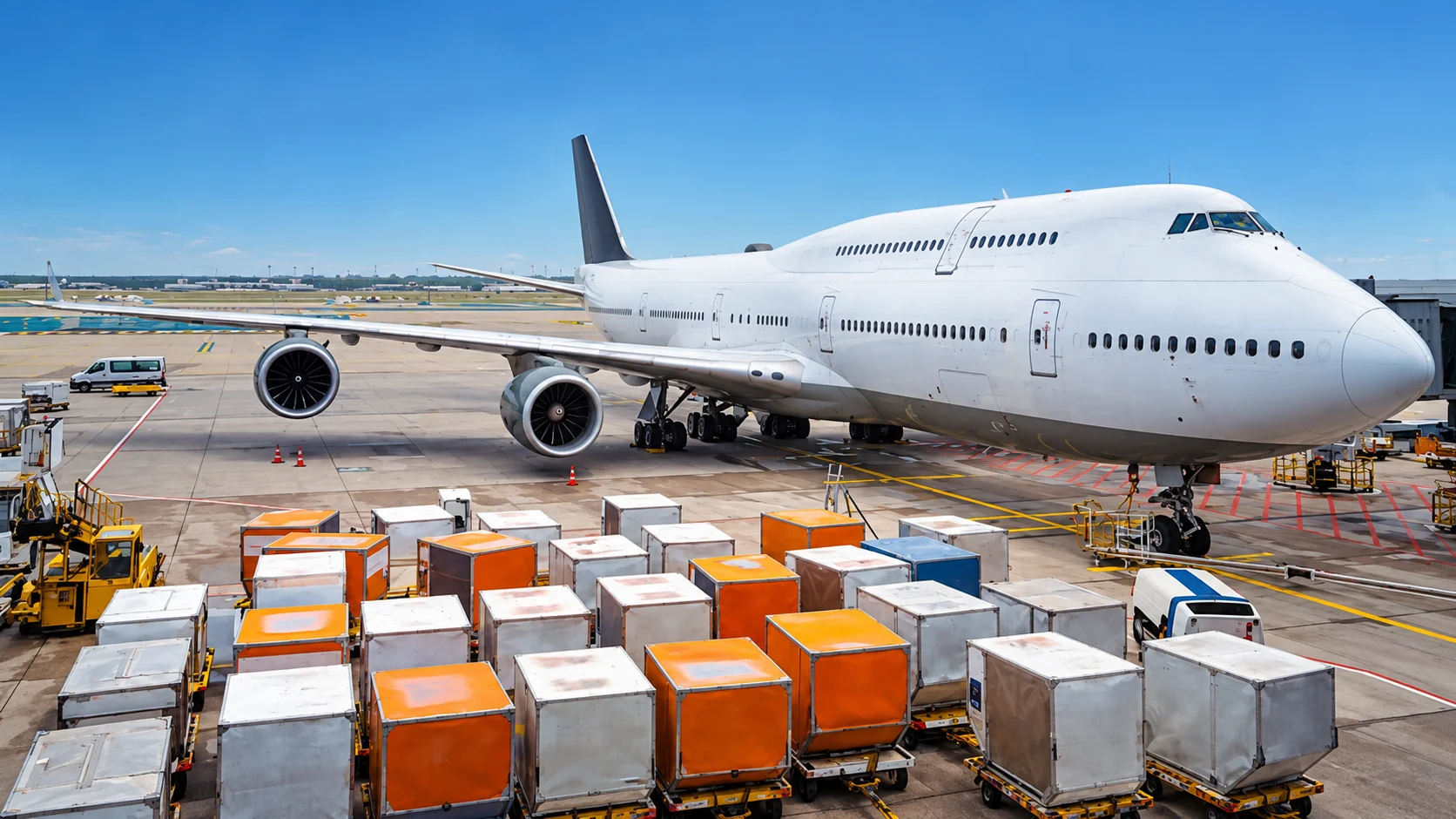
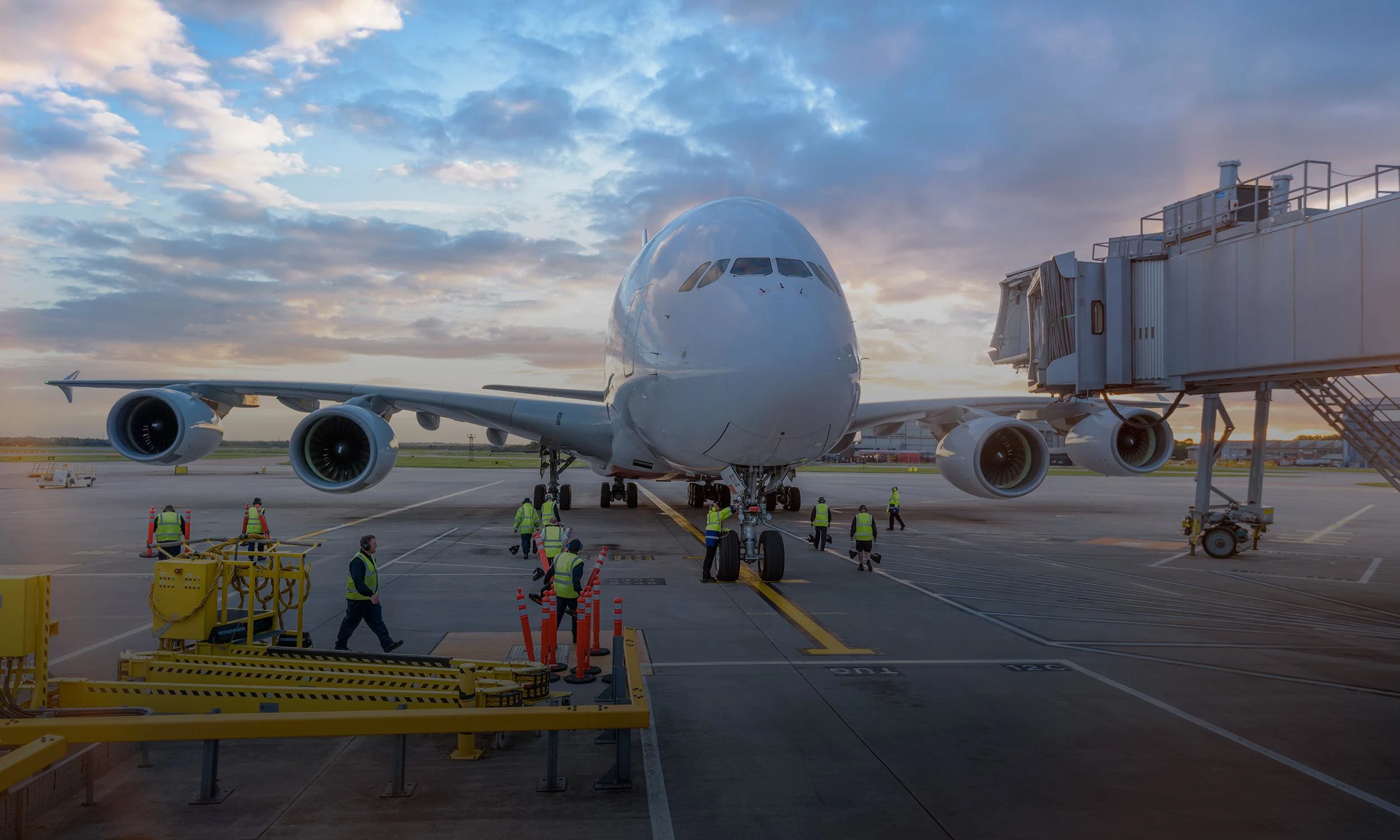
Aircraft turnaround is one of the major processes in airline operations. When an aircraft arrives at the airport, several tasks must be completed before it can depart for its next flight.
Some of these tasks include passenger boarding, baggage handling, aircraft cleaning, refuelling, catering, and crew coordination. Any delay in carrying out these tasks may result in the overall delay of the turnaround process.
As airports and airlines face rising passenger and flight numbers, traditional systems have become increasingly challenging to maintain. That is why the automation of airport ground operations has become an essential aspect of contemporary aviation.
Automation, technology, and AI can help ground teams track operations, coordinate activities, and detect potential delays. Discussions that are currently taking place within the industry are concentrated around such topics as the automation of ground support equipment, digital turnaround, and AI monitoring.
Aircraft turnaround is the time between an aircraft's arrival at the airport and its departure for the next flight.
During this period, several teams work together to prepare the aircraft for departure.
Typical activities include:
These tasks are interrelated. If one task consumes more time than estimated, it affects the other tasks and delays departure.
Ground operations involve multiple teams, service providers, and pieces of equipment working at the same time.
Some common challenges include:
For airports handling high flight volumes, even small delays can create pressure on gates, ground teams, and subsequent flight schedules.
This makes efficient coordination essential for maintaining reliable airport operations.
Automation can reduce the amount of manual work involved in monitoring and coordinating turnaround activities.
Instead of relying only on manual updates, airports and ground handling teams can use digital systems to capture information and provide real-time visibility.
Automation can support areas such as:
This allows teams to spend less time collecting information manually and more time responding to issues.
One of the biggest benefits of digital ground operations is better visibility.
Systems can track the status of different turnaround activities and help teams understand whether the aircraft is progressing according to schedule.
For example, teams can monitor:
Research has also shown how computer vision and deep learning can be used to automatically detect and monitor ground service activities during aircraft turnaround.
Real-time monitoring helps ground teams identify delays earlier instead of waiting until the departure time is affected.
AI can take automation further by helping teams identify patterns and potential problems.
AI-based systems can analyse operational information and identify activities that may take longer than planned.
This can help teams take action earlier.
For example, if baggage handling is falling behind schedule, the system can highlight the issue so the relevant team can respond.
Ground operations require people and equipment to be available at the right time.
AI can help teams analyse workload and resource requirements to support better allocation of:
This can improve resource utilisation and reduce avoidable waiting time.
Multiple teams need to work together during a turnaround.
Digital systems can provide a common operational view so teams can see the status of important activities and respond to changes more quickly.
This can reduce communication gaps between airline, airport, and ground handling teams.
Ground Support Equipment (GSE) is another area where automation is developing.
Airports and ground handling providers are exploring automated and electric equipment as part of wider efforts to improve safety, efficiency, and sustainability. Industry discussions in 2026 are highlighting automated GSE and digital turnaround processes as important developments in ground operations.
Technology can help monitor equipment availability and usage while automation can reduce some repetitive tasks.
This can help ground teams use equipment more effectively and reduce unnecessary delays.
While aircraft turnaround happens behind the scenes, it has a direct impact on passengers.
A delay in baggage handling, boarding, cleaning, or other ground services can affect the aircraft's departure time.
Better turnaround management can help airlines:
Recent airport deployments are also using AI to monitor turnaround and apron operations, with the goal of improving predictability, data accuracy, coordination, and passenger experience.
Automation works better when airport and airline teams have access to reliable operational data.
Useful data can include:
By reviewing this information regularly, teams can identify where delays commonly occur and improve processes.
This also helps management measure turnaround performance over time instead of relying only on individual incidents.
Automation can provide significant benefits, but implementation also requires planning.
Businesses may need to address:
The goal should not be to automate every task immediately. A better approach is to identify areas where automation can provide clear operational value and introduce technology in stages.
A practical approach to ground operations automation can start with a few key steps.
Review historical data to find which activities most often cause delays.
Define goals around turnaround time, service completion, delays, and resource use.
Choose activities where digital monitoring or automation can provide immediate benefits.
Ensure information can move between airline, airport, and ground handling teams.
Track turnaround performance and improve the process based on operational data.
Aircraft turnaround will continue to be an important area of focus as airports handle more flights and airlines look for ways to improve efficiency.
Automation can help ground teams monitor activities, coordinate resources, and respond to issues faster. AI can further support these processes by identifying patterns and providing useful operational insights.
Global Wave Dynamics supports aviation businesses with operations, IT, back-office, and finance services designed to improve operational efficiency and support scalable processes.
Our support can help businesses with:
For aviation companies looking to improve the use of technology in their operations, the focus is on combining people, processes, and digital tools rather than relying on technology alone.
This approach can help teams improve visibility, reduce manual work, and build more consistent operational processes.