Shipping and Logistics Digital Transformation Services: A Roadmap to Success

10th July 2026
The logistics and shipping industry is becoming increasingly complex due to the demanding customer base, the fact that it operates on the international scale and the need for cost reduction.
In order to meet all of these demands, companies have begun to use digital logistics solutions that will allow them to update their processes and increase efficiency.
Through digital transformation, logistics companies will be able to switch from traditional approaches to modern ones.
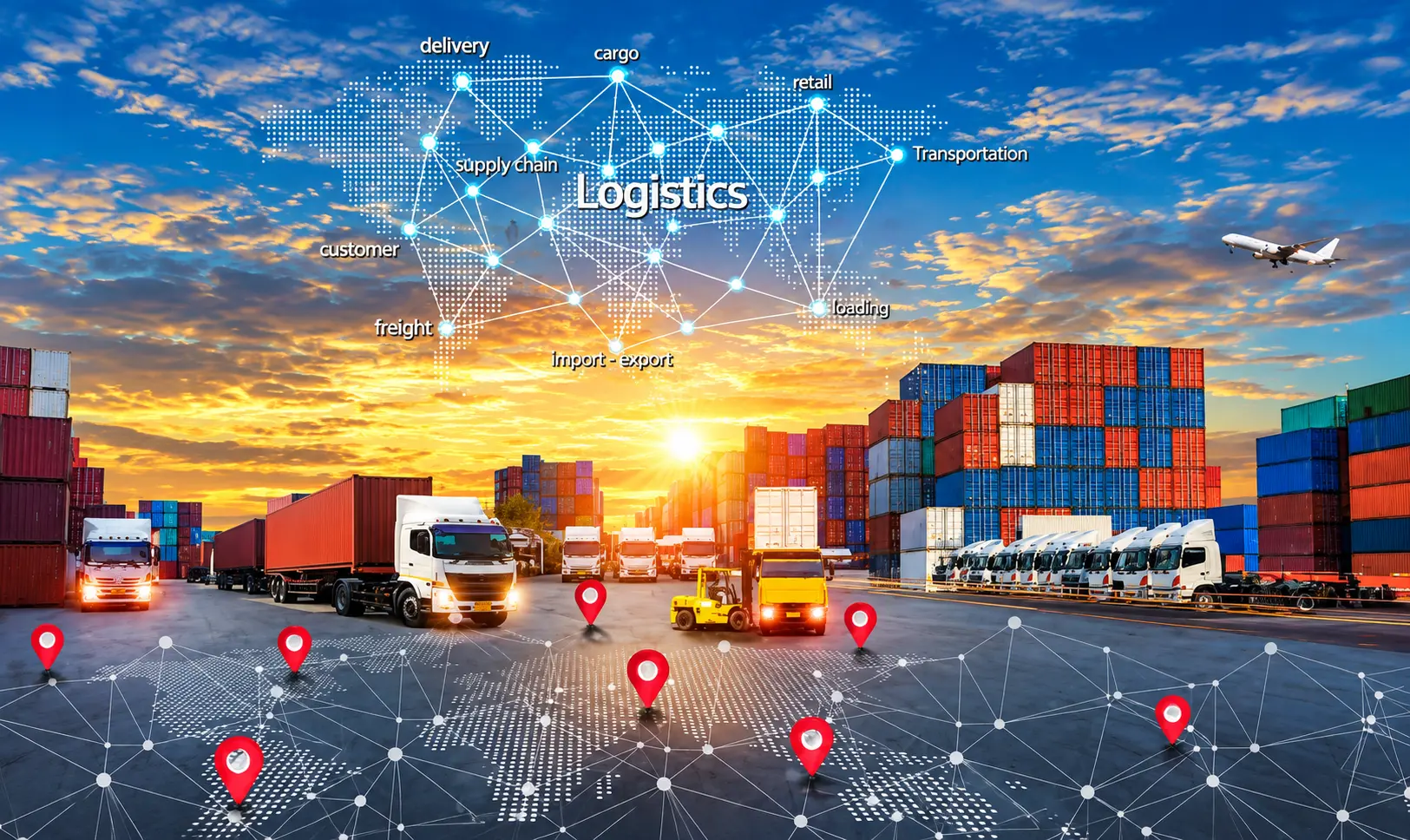
Digital transformation in logistics involves the use of advanced technologies to improve shipping, transportation, and supply chain operations.
This includes:
These technologies help businesses improve control, accuracy, and efficiency across operations.
Modern logistics involves speed, precision, and coordination in real time. In the absence of digital technology, companies could encounter:
By implementing digital logistics solutions, companies can increase operational effectiveness and respond faster to changing market needs.
Logistics automation helps reduce manual effort and improves operational speed.
It includes:
Automation ensures consistency and reduces errors in daily operations.
Transportation technology solutions help businesses manage movement of goods more efficiently.
Key benefits include:
These solutions improve delivery performance and operational control.
Shipping technology services enable better coordination across logistics networks.
They support:
This ensures smooth execution of shipping operations.
Supply chain digital transformation connects all stages of the logistics process.
It includes:
A connected supply chain improves flexibility and decision-making.
Use of automation and digitization decreases the amount of manual labor and increases speed.
Efficiency in logistics leads to savings in fuel and other costs.
Real-time tracking allows for better oversight.
Customers receive more accurate information and faster services.
Identify weaknesses and inefficiencies in current processes.
Specify objectives such as minimizing costs, faster delivery, or increased visibility.
Adopt the right digital logistics technologies depending on business requirements.
Introduce automation in logistics processes to streamline workflows.
Ensure integration of all systems for efficient data flow.
Continuously track performance and optimize processes.
Businesses may face challenges such as:
With the right strategy and partner, these challenges can be managed effectively.
Global Wave Dynamics provides tailored digital logistics solutions for the aviation and logistics industry, combining technology, automation, and AI-driven tools to improve operational efficiency.
Our services include:
To support digital transformation, we also offer AI-powered tools such as AuditX and FreightX:
By combining automation, analytics, and AI-driven tools, we help businesses build efficient, scalable, and future-ready logistics operations.
Digital transformation is essential for businesses aiming to stay competitive in the logistics industry.
By adopting digital logistics solutions, companies can:
Partner with Global Wave Dynamics to transform your logistics operations and achieve long-term success.