How Outsourced Logistics Management Simplifies Multi-Country Operations Across Europe
3rd September 2026
Managing logistics operations across Europe is rarely as straightforward as operating within a single country. While the European Union enables smoother trade movement, the reality of logistics execution still involves multiple regulatory systems, languages, and operational differences.
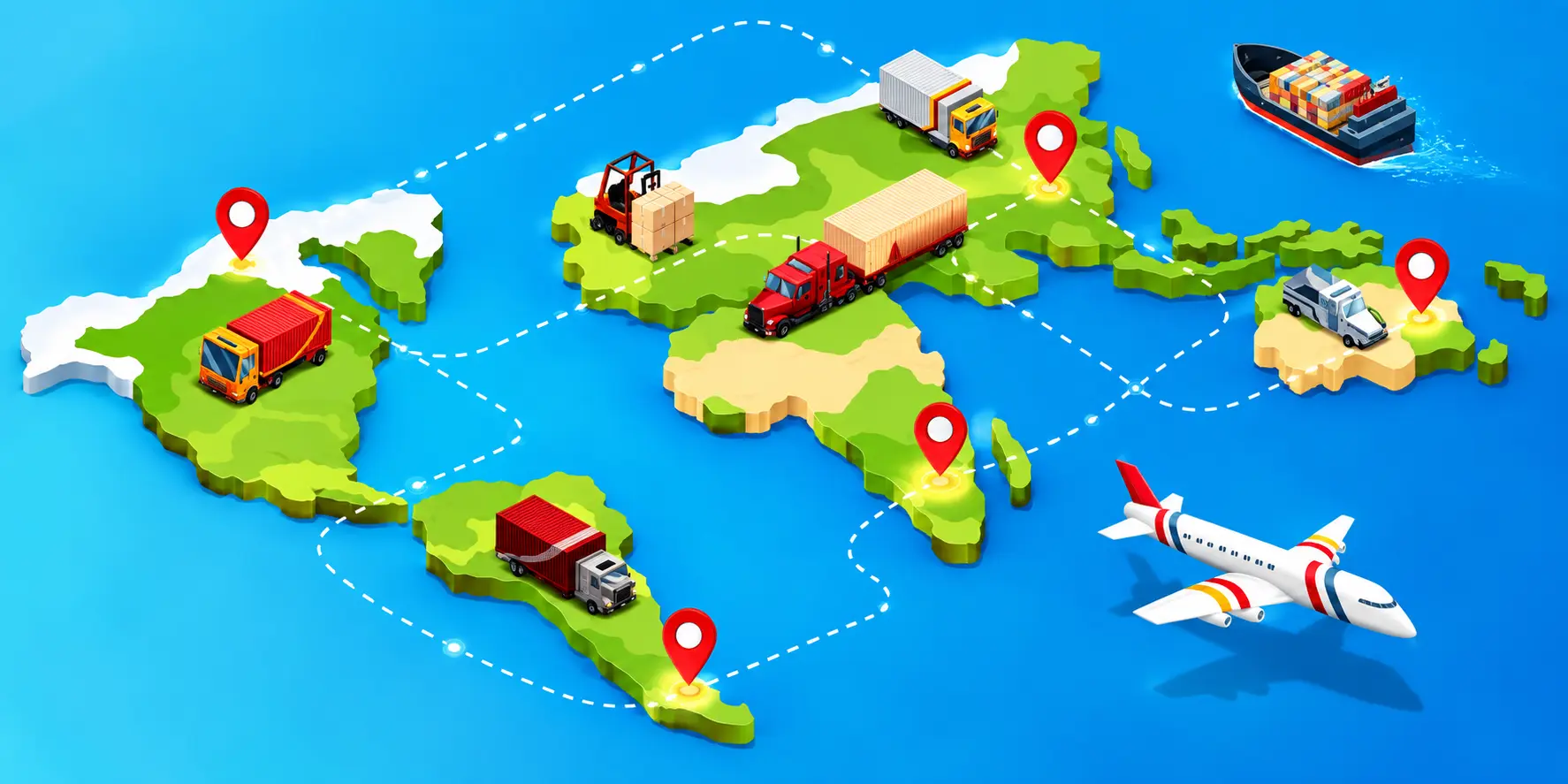
A company shipping goods from Germany to Spain, coordinating warehousing in the Netherlands, and managing documentation in Poland is not operating in one market, it is managing several at the same time. This growing complexity is why many businesses are turning to outsourced logistics management to scale efficiently.
Even within the EU framework, logistics operations vary significantly from one country to another. These differences create friction as businesses expand.
Common challenges include:
As a result, processes that work well in one country often need adjustments in another.
Building internal capabilities to handle multiple European markets requires both time and investment. Companies often underestimate how quickly complexity increases as they expand.
Some of the key challenges include:
Over time, these challenges slow down expansion and create operational inefficiencies.
Outsourced logistics management brings together local expertise and centralized coordination under one structured model.
This usually covers:
This approach reduces fragmentation and simplifies multi-country operations.
One of the biggest advantages of outsourcing logistics management is having a single view of operations across all countries.
Instead of managing separate systems or teams in each market, businesses can:
This level of visibility makes decision-making faster and more accurate.
Expanding into a new country traditionally requires setting up local teams, processes, and infrastructure. This can slow down growth.
With an outsourced partner already operating across multiple European markets, businesses can enter new regions more quickly. Much of the groundwork, including compliance knowledge and operational processes, is already in place.
This reduces both the risk and the time required for expansion.
Global Wave Dynamics helps businesses manage the complexity of European logistics without requiring multiple internal teams across countries.
We provide structured support that connects documentation, coordination, and communication into one streamlined workflow. This allows businesses to operate consistently across markets while maintaining control over performance and quality.
Our approach focuses on:
With the right balance of process, expertise, and technology, we help businesses scale operations across Europe without adding unnecessary operational overhead.
Logistics processes in Europe are not as coordinated as they may seem. The smooth flow of goods from one country to another conceals an elaborate system of rules, languages, and systems.
Logistics outsourcing is the right solution for dealing with this situation. There is no need to develop the ability to work separately in each country; businesses will be able to function within one centralized system.