Digital Transformation in Shipping & Logistics: Trends & Insights

5th January 2026
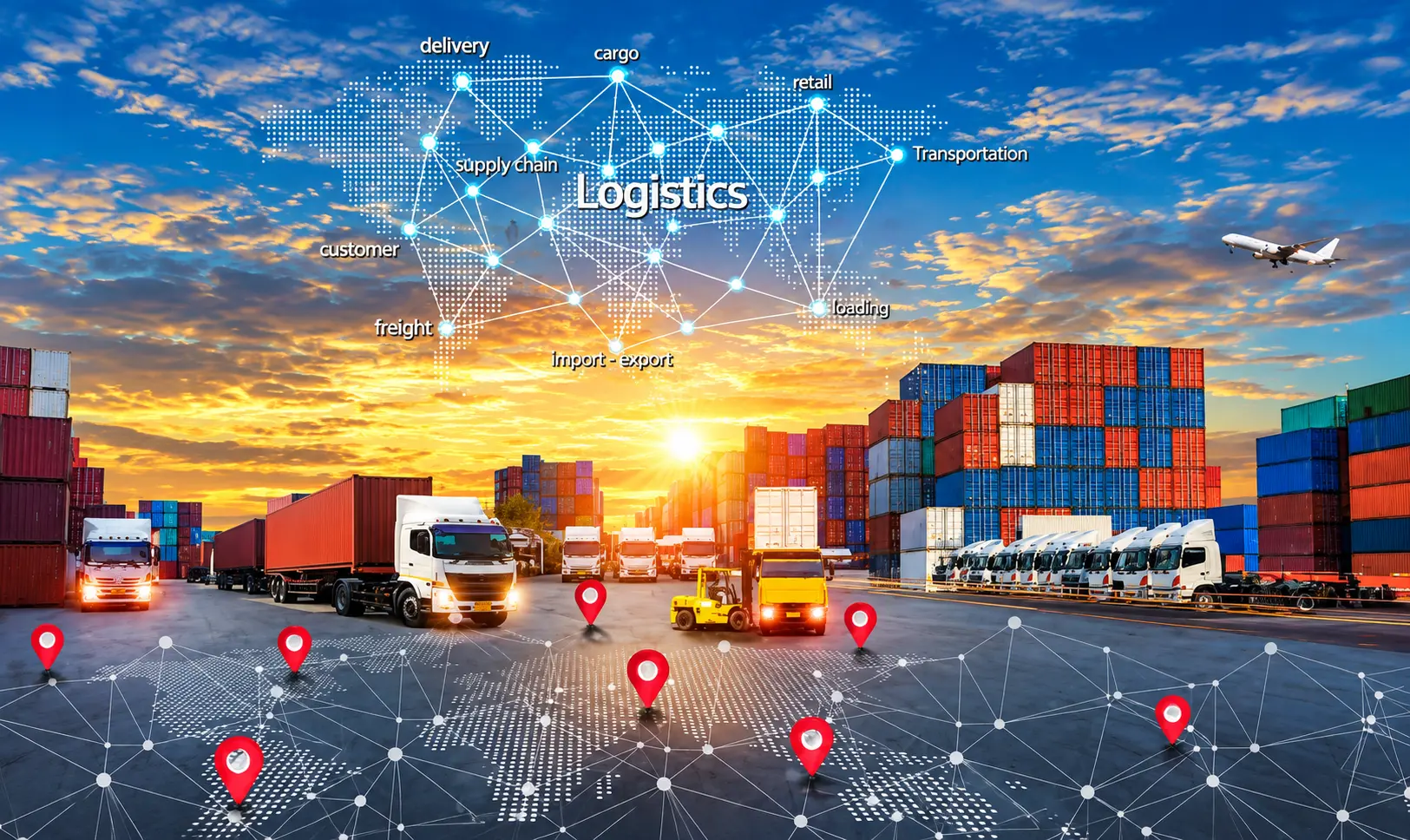
The shipping and logistics industry is undergoing a major shift driven by technology. Rising customer expectations, global supply chain disruptions, and the demand for real-time visibility have accelerated digital transformation in logistics. Companies that embrace shipping and logistics digital solutions are gaining greater efficiency, cost control, and competitive advantage.
In this blog, we explore the latest logistics digitalization trends, key technologies shaping the industry, and how businesses can stay ahead in an increasingly connected logistics ecosystem.
Digital transformation in logistics refers to the integration of digital technologies across shipping, transportation, warehousing, and supply chain operations. It replaces manual, fragmented processes with intelligent, data-driven systems that improve visibility, automation, and decision-making.
From cloud-based logistics software to smart logistics systems, digitalization enables logistics providers to respond faster, operate smarter, and scale efficiently.
Automation is at the core of modern logistics operations. Logistics automation technology helps reduce human error, increase speed, and lower operational costs.
Key use cases include:
Automation allows logistics teams to focus on strategic activities rather than repetitive manual work.
Smart logistics systems integrate multiple technologies like AI, IoT, and cloud platforms to provide end-to-end supply chain visibility.
Benefits include:
These systems enable faster responses to delays, disruptions, and customer queries.
AI in shipping and logistics is transforming how companies analyze data and make decisions.
AI-powered capabilities include:
By leveraging AI, logistics companies can make smarter decisions based on real-time and historical data.
Cloud-based logistics software offers scalability, flexibility, and seamless integration across global operations.
Why cloud matters:
Cloud platforms form the backbone of modern shipping and logistics digital solutions.
IoT in supply chain management enables real-time data collection through connected devices and sensors.
Common applications include:
IoT improves transparency, reduces losses, and enhances compliance across the supply chain.
Adopting logistics digitalization trends is no longer optional. It is essential for survival and growth.
Key business benefits:
Companies that delay digital adoption risk falling behind more agile, tech-enabled competitors.
At Global Wave Dynamics, we help shipping and logistics companies accelerate their digital journey through tailored outsourcing and technology-enabled support services.
Our expertise includes:
By combining industry expertise with smart digital solutions, we help logistics businesses operate more efficiently and cost-effectively.
The future of shipping lies in smart logistics systems, automation, and data-driven decision-making. Embracing digital transformation in shipping and logistics allows companies to build resilient, transparent, and customer-centric supply chains.
Now is the time to invest in shipping and logistics digital solutions that drive efficiency, visibility, and long-term growth.