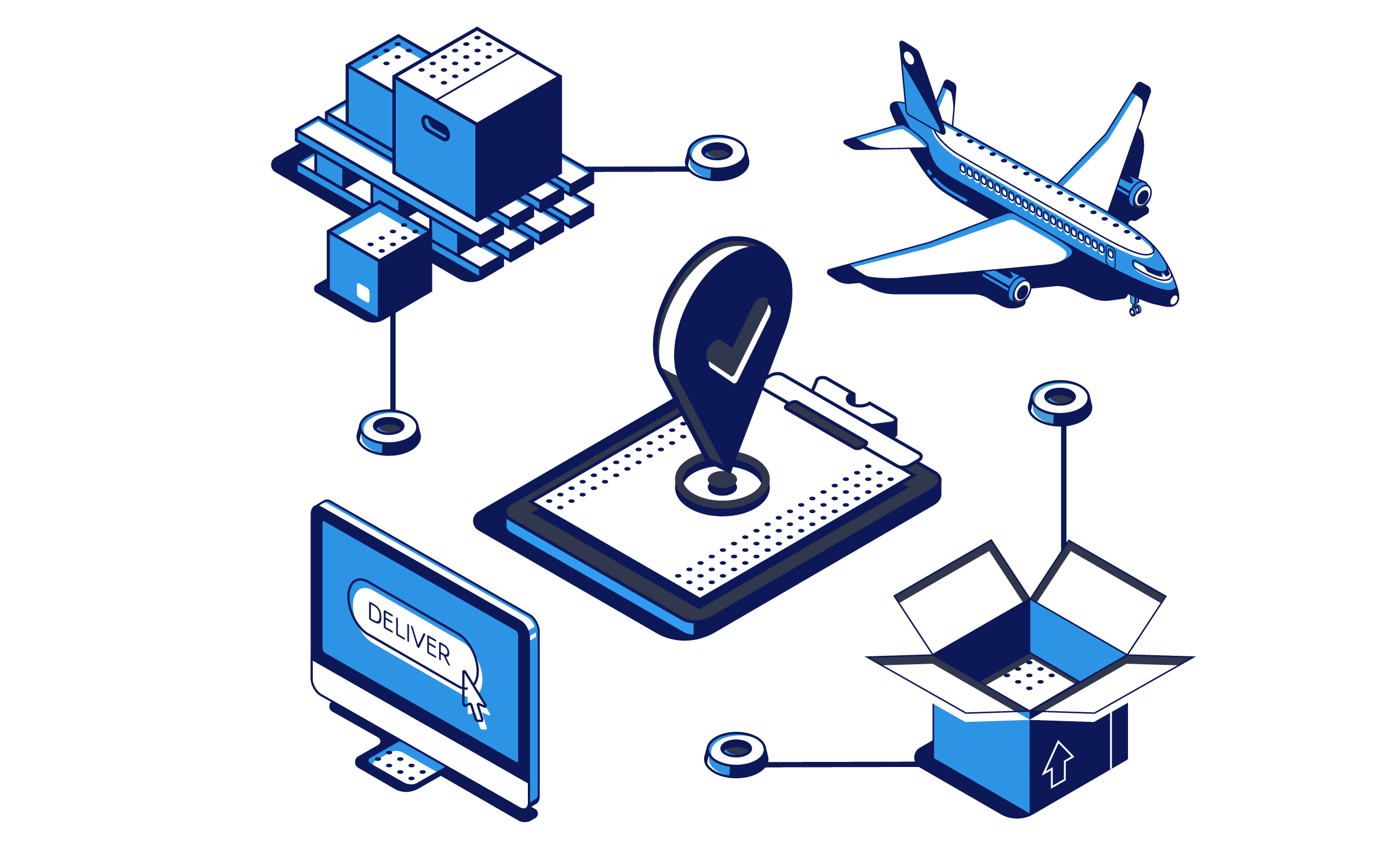
Overview of the Logistics Industry in the U.S. and Canada
The logistics industry across North America is valued at over $2 trillion and employs millions of workers across trucking, warehousing, freight forwarding, and last-mile delivery services. Canada alone sees over 70% of its trade pass through U.S. logistics corridors. Despite its scale, the industry is still fragmented and often lacks technological harmonization.
Key Challenges Facing the Sector
A. Workforce Shortages
The most immediate concern for logistics firms is labor.
The U.S. is facing a shortage of over 80,000 truck drivers, with similar challenges in warehousing and back-office support roles.
Canada reports driver retirements and slow replacements, threatening supply chain continuity.
Impact: Increased labor costs, capacity limitations, and overworked staff.
B. Rising Operational Costs
Fuel prices, insurance premiums, fleet maintenance, and compliance costs have surged post-pandemic.
Additionally, inflationary pressures and rising wages in North America are shrinking margins.
Impact: Profitability erosion and higher costs passed on to customers.
C. Technological Disparities
Many mid-sized logistics firms still operate using spreadsheets, legacy Transportation Management Systems (TMS), or outdated ERP solutions.
Integration across systems (TMS, WMS, CRM) is limited or nonexistent.
Impact: Reduced visibility, process inefficiencies, and poor customer experience.
D. Supply Chain Disruptions
From the COVID-19 pandemic to geopolitical tensions and natural disasters, North American logistics has seen severe disruptions.
Port congestion, inventory imbalances, and delayed shipments are now routine challenges.
Impact: Missed SLAs, lost revenue, and unhappy customers.
E. Environmental Regulations & Sustainability
Both countries have introduced regulations targeting carbon emissions, ESG compliance, and fleet electrification.
While essential for long-term sustainability, these changes require significant investment.
Impact: Regulatory complexity and high capital outlay.
F. Customer Expectations for Speed & Visibility
Customers (B2C and B2B) now demand real-time updates, next-day delivery, seamless order tracking, and proactive communication.
The Amazon effect has raised the bar across industries.
Impact: Higher operational pressure and the need for 24/7 support.
G. Complex Documentation & Compliance
The international nature of freight forwarding introduces varied documentation needs—from Bills of Lading to customs declarations.
Mismanagement can lead to delays, penalties, or lost cargo.
Impact: Legal exposure and reputational damage.
5. How GCCs Solve Industry Pain Points
Workforce Shortages
Solution: Offshore support for dispatch, load planning, data entry, and customer communication reduces staffing pressure in North America and keeps operations running smoothly 24/7.
Rising Operational Costs
Solution: Offshore teams provide up to 70% cost savings on non-core tasks like billing, order processing, freight audit & payment, and AR/AP management.
Technology Gaps
Solution: GWD's GCC offers software development, TMS/ERP configuration, API integrations, and RPA implementations—helping companies digitally transform without hiring expensive local tech talent.
Supply Chain Disruptions
Solution: Our team monitors port congestion, freight status, carrier updates, and proactively adjusts routing plans—helping clients stay one step ahead of delays.
Sustainability Pressures
Solution: GWD assists with sustainability reporting, data collection for ESG compliance, and analytics on fuel usage and emissions across shipments.
Speed & Visibility Demands
Solution: With 24/7 support from India, we provide real-time tracking, shipment status updates, and automated notifications—keeping shippers and consignees informed.
Documentation & Compliance
Solution: Trained professionals at GWD's GCC handle Bills of Lading, customs documents, export declarations, and compliance filings with accuracy and speed.
Why Global Wave Dynamics
- Industry Expertise: Deep knowledge of U.S./Canada logistics, including compliance and regulatory nuances.
- 24/7 Coverage: Seamless support across time zones with real-time escalation.
- Cost Efficiency: Save up to 70% on operational and support functions.
- Tech Enablement: Full suite of services across RPA, AI support, cloud integration, and ERP/TMS administration.
- Scalable & Customizable: From 1 to 100+ FTEs, we scale as your needs grow.
Conclusion
The logistics and transportation sectors in the U.S. and Canada face mounting challenges that require both strategic agility and operational efficiency. Global Competency Centers-especially when built and managed by experienced partners like Global Wave Dynamics-offer a practical, proven way to address these issues head-on.
By shifting administrative burden, tech development, customer support, and compliance offshore, logistics firms can focus on what matters most delivering goods faster, more reliably, and at lower cost.
.jpg )