24/7 Customer Care and Back Office Support for Global Businesses

31st July 2026
Global businesses don't operate on a single clock, but many of their support functions still do. A customer in Singapore, a shipment moving through a European port at 3am local time, or a flight disruption happening overnight in the US, none of these wait for a 9-to-5 support team to log back on.
For companies operating across multiple regions and time zones, the gap between when issues happen and when support is available is one of the most common and costly operational challenges. It impacts response time, customer experience, and overall efficiency.
24/7 customer care and back office support helps close this gap by ensuring that both customer interactions and internal processes continue without interruption. Many global businesses are now combining this model with Global Capability Center (GCC) setups, where dedicated offshore teams handle ongoing operations, support, and backend processes as an extension of the main business.
A support model restricted to one region's working hours creates delays. Customers in other time zones often have to wait hours before receiving a response, even for urgent issues.
In industries like aviation and logistics, disruptions can happen anytime. A delayed shipment, system issue, or flight change does not wait for working hours. Without immediate support, these problems can grow and impact multiple operations.
At the same time, building an internal 24/7 team requires higher costs, more hiring, and complex shift management, making it difficult for many businesses to sustain.
A well-organized continuous support system guarantees the coordination between customer service operations and backend operations without any halt.
The queries by the customers are answered using multiple modes, including telephonic calls, emails, chats, and messaging applications. This is done simultaneously with backend operations such as order management and documentation.
This typically includes:
In addition, businesses often use Global Capability Center (GCC) based teams to manage continuous workflows, analytics, and operational coordination. These teams act as dedicated extensions of the business, helping maintain consistency, scalability, and better control over global operations.
Industries that run continuously need support systems that match their pace. Aviation and logistics operate across time zones, and delays in response can disrupt entire operations.
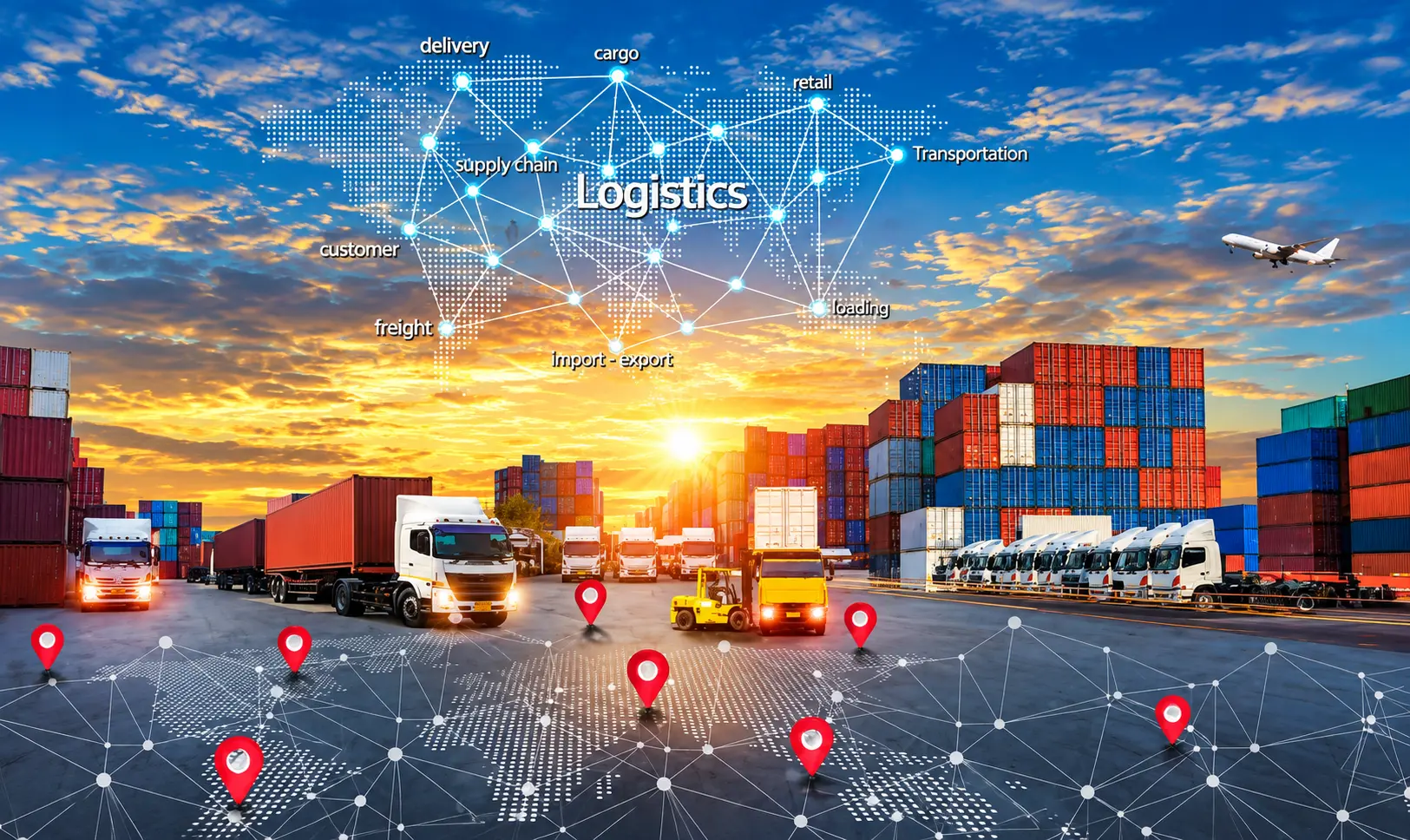
A logistics company handling shipments across multiple regions needs support coverage across all active time zones. Similarly, an airline dealing with overnight disruptions requires both customer support and backend coordination in real time.
Without continuous support, even small issues can turn into major operational challenges.
Continuous support improves both customer experience and operational efficiency. Faster responses reduce the chances of issues escalating and help businesses run smoothly.
Customers trust businesses that are available when needed, especially during urgent situations.
Operationally, continuous back office work ensures there is no backlog buildup, allowing teams to start each day with updated information.
Some key benefits include:
Choosing the right partner is critical for successful 24/7 operations. Global Wave Dynamics provides a structured approach that combines customer care, back office support, and Global Capability Center (GCC) based operational models.
The focus is on delivering reliable and scalable solutions that align with global business needs.
Key capabilities include:
This approach allows businesses to maintain continuous operations while optimizing cost and improving service quality.
For global businesses, working across time zones is not enough. The real requirement is to ensure that support and operations are available whenever needed.
24/7 customer care and back office support, combined with Global Capability Center (GCC) driven operational models, helps businesses achieve continuous workflows, faster response times, and better customer experiences.
As global competition increases, continuous support is no longer optional. It is a necessary step toward building a strong and reliable international presence.